 Nagano Monkey Park Tours
What to Expect at the Snow Monkey Park: A Visit Walkthrough
What to expect at the snow monkey park starts with a 25 to 40 minute walk through the forest before you see a single animal, and once you reach the viewing area there are no barriers between the trail and the troop; monkeys pass within arm's reach and mostly ignore the people watching them. What you actually see depends heavily on the season, since bathing in the hot pool is winter behavior, not a year-round show, and the park itself keeps no promises about any single visit. This walkthrough covers the trail in, an hour-by-hour read on a typical winter visit, how close you really get, and what to bring for a camera in the cold.
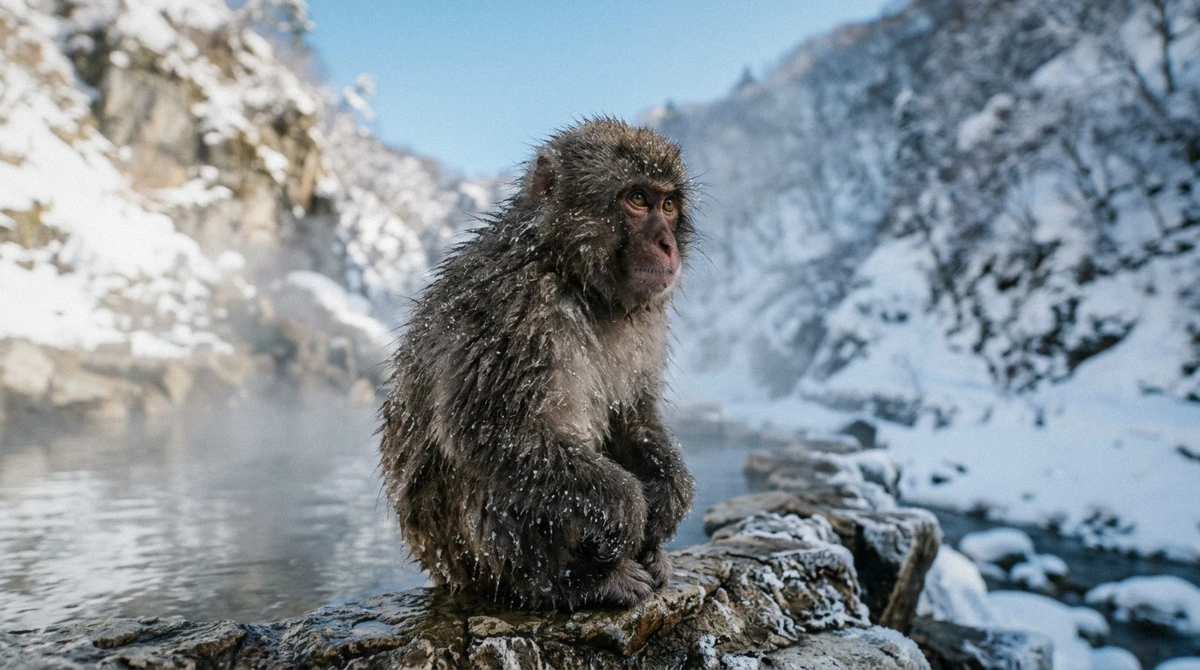
Quick answer The trail, the pool, and how close you actually get
Expect a 25 to 40 minute forest walk before you reach the viewing area, then a wild troop that moves freely around visitors with no barrier between you and them. Winter brings the classic scene of monkeys bathing in the hot pool; the rest of the year the troop is more often foraging in the forest than sitting in the water, so what you see changes with the season more than with luck.
Key takeaways
- The 1.6 km trail from the Kanbayashi trailhead takes 25 to 40 minutes each way before you see the park
- No barriers separate visitors from the troop; monkeys pass within arm's reach and generally ignore people
- Bathing is a winter behavior around one main pool; the rest of the year the pool sits mostly empty
- Staff feeding rounds through the day are what actually draws the troop to the viewing area outside winter
- Photography is unrestricted but steam fogs lenses fast and cold drains camera batteries; the guided afternoon tour builds in time to wait it out
- For the full month-by-month odds of a bathing scene, see our best time to visit guide
The Valley: Jigokudani's Hell Valley Name
Jigokudani translates to Hell Valley, a name that comes from the geothermal steam vents rising out of the rock along the Yokoyu River gorge, not from anything to do with the monkeys. The park opened in 1964 at 850 meters of elevation inside Joshinetsu Kogen National Park, and the steam that gave the valley its name is the same steam that keeps the hot pool warm enough for the troop to sit in through the coldest months. Walking in, the smell of sulfur and the sight of vapor rising from the forest floor arrives before the monkeys do.
If you would rather have someone read the day's odds before committing to the walk, you can pick a snow monkey tour by park time and let a guide set the pace.
What You'll See, at a Glance
A quick reference before the hour-by-hour walkthrough below.
The sightings table
| Sight | Where | When | How likely |
|---|---|---|---|
| Monkeys in the forest and on the trail | Approach path and slopes around the deck | Year-round | Nearly every trip |
| Grooming and social behavior on the deck | Viewing area railings and rocks | Year-round | Nearly every trip |
| Staff feeding round | Slope beside the pool | Several times daily, no fixed hour | Most trips |
| Bathing in the hot pool | The main pool | December through February, most reliable | Most trips in winter, rare in summer |
| Newborns riding mothers | Around the pool and slopes | March through May | Regular but not every trip |
| Mating-season posturing between males | Forest edges and the deck | October and November | Regular but not every trip |
| Steam vents along the trail | Yokoyu River gorge, before the park entrance | Year-round, most visible in cold weather | Nearly every trip |
The forest, the trail-side steam, and the troop's day-to-day social behavior are close to a sure thing on any visit; the hot-pool scene most people picture is the one genuinely tied to the calendar. For the full seasonal case behind these numbers, see our best time to visit guide.
A Typical Winter Visit, Hour by Hour
This is what a cold-season visit generally looks like, from the trailhead to the walk back out. Autumn and summer visits skip the bathing scene but follow the same shape.
-
Trail in
25 to 40 minutes on foot from Kanbayashi
Unpaved forest path, packed snow and ice underfoot in winter; the steam vents and river gorge are visible well before the park entrance.
-
Arrival
First view of the deck and pool
The viewing area opens onto the main pool with no barrier; a handful of monkeys are usually visible sitting at the edge or in the water on a cold morning.
-
Feeding round
Staff scatter food across the slope
Several times a day staff walk the grounds distributing food, which is what pulls the wider troop, including animals that had been foraging in the forest, back toward the viewing area.
-
Pool scenes
Bathing peaks mid-morning to early afternoon
On a cold day this is the busiest stretch for the pool itself, with monkeys grooming each other and young ones playing at the water's edge.
-
Trail out
Same 25 to 40 minute walk back
Traffic on the trail is heavier by midday; an early arrival avoids most of it on both legs of the walk.
How Close Do You Actually Get?
There is no fence, rope, or glass between the viewing deck and the troop. Monkeys walk the same wooden walkways visitors use, sit on the railings, and pass within arm's reach on a regular basis, since the park was built around an open, unbarriered layout from the start. The troop generally ignores people entirely, more interested in each other, the food staff scatter, and the warmth of the pool than in anyone standing nearby with a camera.
That closeness is also why the park's own rules matter: no touching, no feeding, no staring a monkey in the eye, since a direct stare reads as a challenge to a wild macaque even when it is otherwise unbothered by a crowd. A guide helps here too: on the day trip with 2.5 hours at the park, the extra time on-site means less rushing to squeeze in a close look before the walk back out.
What You'll See by Season
The same troop, four very different scenes depending on when you go. Full month-by-month detail lives on our best-time guide; this is the short version of what you'll actually witness.
The season table
| Season | What you'll see | Pool activity | Notes |
|---|---|---|---|
| Winter (December-February) | Bathing, grooming, young monkeys playing at the water's edge | Highest, the main draw for most visitors | Deepest snow, coldest and most reliable bathing window |
| Spring (March-May) | Newborns riding mothers, roughly 30 births to the troop each year | Tapering off as the valley thaws | Gentler crowds, newborns are the highlight |
| Summer (June-August) | Foraging, grooming in the shade, brief water crossings | Mostly empty, bathing is a cold-weather habit | Greenest valley, quietest at the gate |
| Autumn (October-November) | Squabbles and posturing tied to mating season | Low, troop spends more time in the forest | Least predictable season for a pool scene |
Winter's bathing scene is the one most people picture, and it holds up: cold-weather behavior genuinely drives the troop into the pool for long stretches from December through February. Spring swaps the pool scene for a gentler one, newborn monkeys clinging to their mothers as the snow melts. Summer flips it entirely, with the pool mostly empty and the troop keeping to the shade and the forest instead.
Autumn is the honest wildcard: mating season brings more competitive behavior between males and pulls the troop toward forest food, so a pool scene is possible but far from a given. The park runs a weekly monkey appearance forecast and a live camera on its official site, worth checking the morning of a flexible visit. For the full seasonal breakdown, our best time to visit guide covers every month, and you can compare the full snow monkey tour lineup if the season you land on points toward a different departure.
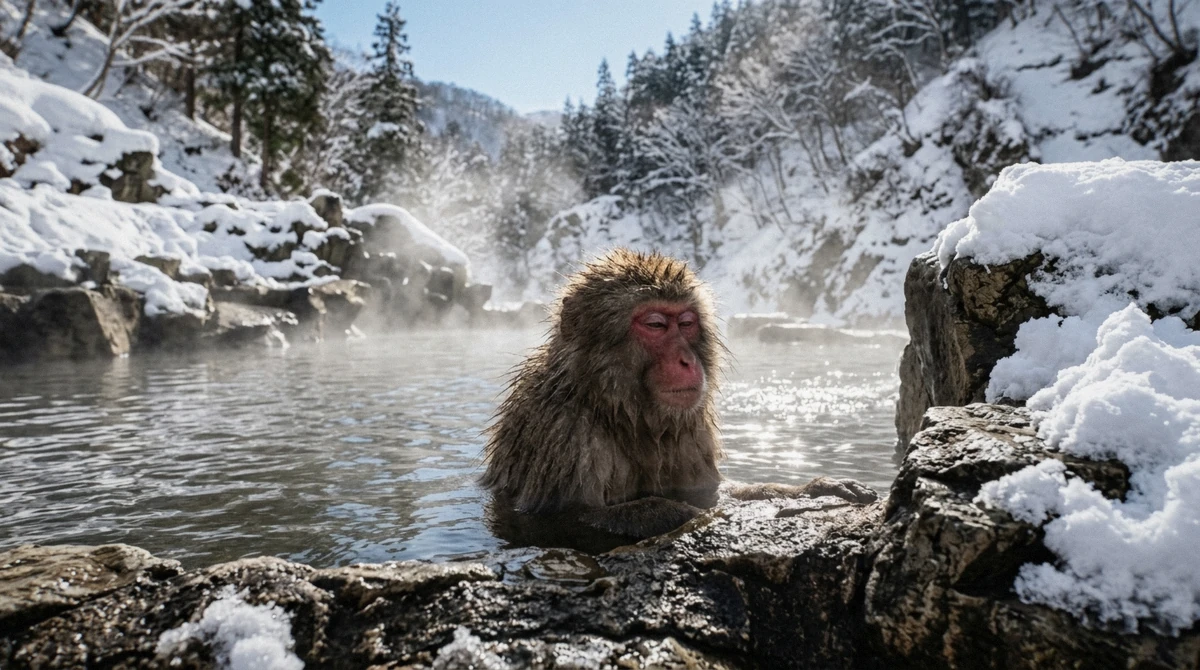
Photography at the Snow Monkey Park
Cameras are welcome and the monkeys pay them no attention, but the cold and the steam both work against your gear.
Steam and lens fog
The same steam vents that give Jigokudani its name rise directly over the pool, and on a cold morning that steam fogs a lens the moment it comes out of a warm bag. Give a camera a few minutes to acclimate to the outdoor temperature before shooting, and wipe the lens rather than shoot through the haze; the fog usually clears within a minute or two once the glass matches the air.
Batteries die fast in the cold
Camera batteries lose charge noticeably faster once temperatures drop toward freezing, which is most of a winter morning at 850 meters. A spare battery kept in an inner jacket pocket, close to body heat, is the simplest fix, and it is worth carrying even for a short visit, since a battery that reads half-full at the trailhead can die on the deck.
Deck etiquette and rules
No drones are permitted, and tripods that block the deck edge get in the way of everyone else trying to see the pool, so a monopod or handheld shooting works better in practice. Morning light through the steam, before the crowd builds, is generally the best window for photos; arriving close to opening in winter serves both the photography and the calmer viewing experience.
What to Prioritize Depending on What You Want
If You want the bathing pool photos
go in December through February and arrive close to opening, when the coldest morning hours are most consistent for bathing
If You're most interested in newborns
visit March through May, when the troop's roughly 30 yearly newborns are riding their mothers around the pool and slopes
If You just want to see monkeys up close, pool or no pool
any season works, since the forest, trail, and social behavior around the deck are close to a sure thing year-round
If You want a guide to read the day's odds before you commit to the trail
book the guided afternoon tour, which builds waiting time into the itinerary
A Simple Spotting Checklist
Print this or keep it on your phone for the walk; it turns the visit into something to actively look for rather than just watch.
- Steam rising from the Yokoyu River gorge on the trail in
- A monkey sitting in or at the edge of the hot pool
- A staff feeding round drawing the troop toward the slope
- Two monkeys grooming each other on the deck railings
- A young monkey riding on its mother's back
- A monkey walking the same walkway as visitors, within arm's reach
- The live camera view compared against what you're actually seeing
Questions About What You'll See
Do the monkeys bathe every day?
Not necessarily. Bathing is driven by cold weather, so on a cold winter day it happens for long stretches, but on a milder day even in winter the pool can sit half empty. Outside winter, bathing is occasional rather than routine.
How close can you get to the monkeys?
There is no barrier between the viewing deck and the troop; monkeys walk the same walkways as visitors and can pass within arm's reach. Rules still apply at that distance: no touching, no feeding, and no direct eye contact.
What camera gear do you need for the snow monkeys?
A standard camera or phone is enough; no special gear is required. The two practical issues are lens fog from the steam over the pool and batteries draining faster in the cold, so a spare battery kept warm in a pocket is the one thing worth bringing.
When is feeding time at the park?
Staff scatter food across the slope several times through the day rather than at one fixed hour. These feeding rounds are what draws monkeys back to the viewing area outside the winter bathing season, when the troop otherwise spends more time in the forest.
What does the walk to the park actually look like?
A 1.6 km unpaved forest trail from the Kanbayashi trailhead, taking 25 to 40 minutes depending on pace and snow conditions. The path runs alongside the Yokoyu River gorge, with visible steam vents well before the park entrance comes into view.
Are drones allowed at the park?
No. Drones are not permitted at the park, and tripods that block the deck edge are discouraged since the viewing area is shared and can get crowded, particularly in the winter peak.
Is the pool the only place to see monkeys?
No. The troop moves through the surrounding forest and slopes throughout the day, and outside the immediate pool area you'll often see monkeys grooming, foraging, or resting on the rocks and railings along the viewing path.