 Nagano Monkey Park Tours
Is Jigokudani Monkey Park Worth It? An Honest Look
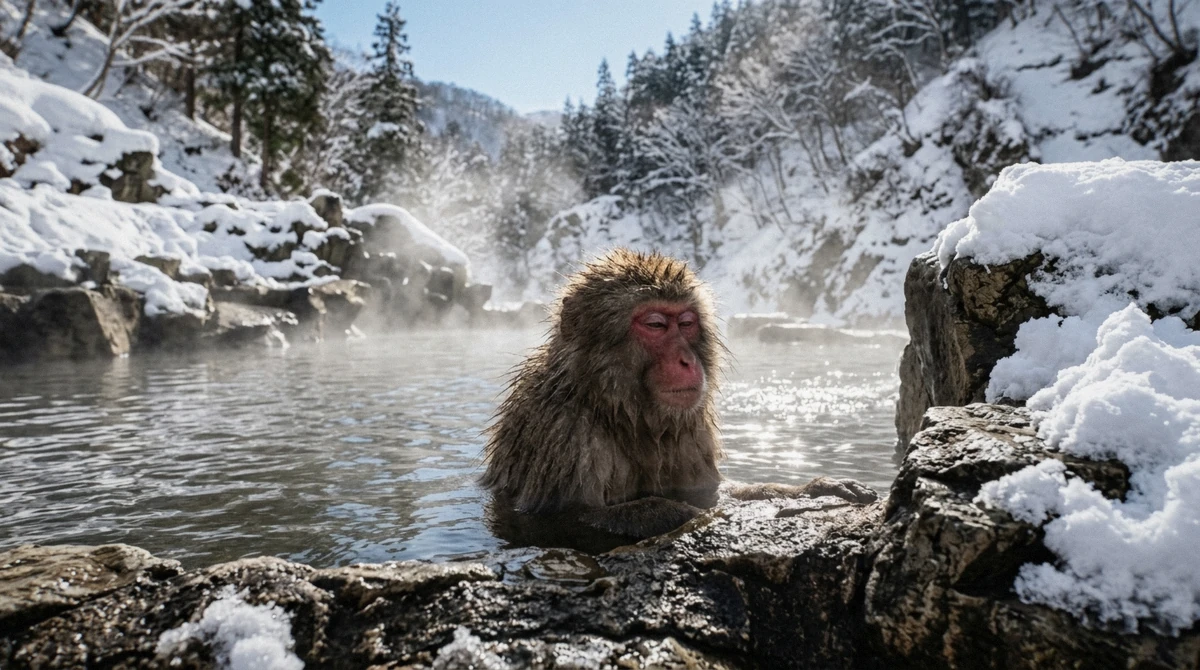
Yes, if you can accept a 1.6 km icy walk each way and a real chance the troop is elsewhere that day. Is Jigokudani Monkey Park worth it? Jigokudani is the only place on earth where a wild troop of Japanese macaques regularly bathes in a hot spring, with no barrier between you and them, and that single fact is doing most of the work when people call the trip worth it. What follows is the plain case for and against spending a day on it, not a brochure.
Quick answer The one-sentence verdict, and the two things that actually disqualify people
Jigokudani Monkey Park is worth it if you can do the 1.6 km walk to the gate and you are visiting between December and March, when the bathing scenes that made the park famous actually happen. It is not worth a special trip if you can't manage an icy, unpaved trail with no barriers, or if you're coming in autumn when the troop is often in the forest instead of the pool. Admission itself is a minor ¥800 (about $5.50); the real cost is time, since a same-day round trip from Tokyo runs close to a full 12-hour day.
Key takeaways
- Winter (December-March) is the payoff season: bathing monkeys, snow on the rocks, the scene every photo of this place is selling
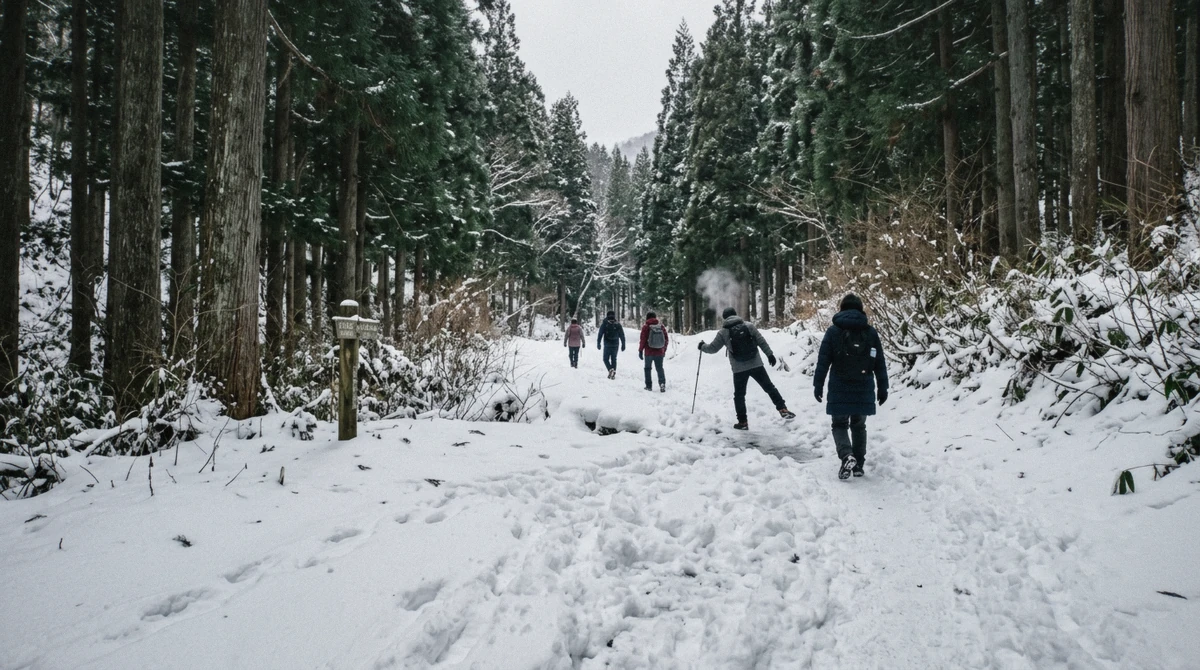
- The walk is 1.6 km each way from the Kanbayashi trailhead, unpaved, and icy in winter, not stroller or wheelchair accessible
- Autumn (October-November) is mating season, when the troop often stays in the forest for food instead of the pool: the honest no-show risk
- Admission is a minor ¥800 (about $5.50); the real trade-off is a 12-hour day from Tokyo, see the top-rated Nagano day trip if a full day works for you
- The afternoon tour from the onsen towns cuts that to a half-day if you're already staying near Nagano
- Compare every departure point and price on the snow monkey tour comparison before you commit a day to this
The Short Answer
Worth saying plainly, before the walk-through, because most pages answer this question by changing the subject to how cute the monkeys are.
Worth it if
Three conditions, and if all three are true the trip earns its place on the itinerary.
- You're visiting between December and March, when snow is on the ground and the bathing behavior is reliable
- You can walk 1.6 km on an unpaved, often icy forest trail without a stroller, wheelchair, or mobility aid
- You have most of a day free, a same-day round trip from Tokyo runs close to 12 hours door to door
Skip it if
Also three, and any one of these is a real reason to spend the day elsewhere instead.
- You're traveling in October or November, mating season, when forest food often keeps the troop away from the pool for days at a time
- You have a genuine mobility limitation the icy, barrier-free trail can't accommodate
- You have less than a half-day free and no base near Nagano to shorten the trip from
What It Costs and What You Actually Get
The table below lines up every real way to do this trip against what you get for it.
The real options
Admission is the same ¥800 (about $5.50) no matter how you arrive; what changes is transport, guiding, and how much of the day it eats. Full fee breakdown and the online-ticket process live on the tickets page.
| Option | Typical price | Duration | Best for |
|---|---|---|---|
| Afternoon tour from Nozawa/Iiyama | from $87.60 | About 4 hours | Travelers already based near the onsen towns |
| Full-day Nagano departure with lunch and sake | from $137 | About 9-10 hours | Tokyo or Nagano travelers who want one bundled day |
| Private car from Tokyo | from $438.20 per group | Full day, flexible | Small groups who want their own schedule |
| DIY by express bus from Nagano Station | about ¥6,800 (about $46) round trip incl. entry | Half to full day | Confident independent travelers, see /how-to-get-there/ |
What no barriers actually means
The park's whole reputation rests on one design choice: there is no barrier, no cage, no glass between the boardwalk and the pool. The monkeys walk past your feet on their own terms, groom each other on the rocks, and occasionally soak for twenty minutes without moving. Nobody is guaranteeing a sighting, but on a good winter day the pool is full and the walk from the gate to the water is under two minutes.
The Honest Trade-Offs
Weighed plainly, without a thumb on either side of the scale.
What we genuinely like
- The only wild troop on earth that reliably bathes in a hot spring, with no barrier between you and them
- Admission is a minor ¥800, (about $5.50) cheaper than most single museum tickets in Japan
- Winter viewing conditions are genuinely dependable: the park is open every day of the year, even in a blizzard
- Shibu Onsen, a 1,300-year-old bathhouse town, sits about ten minutes from the trailhead if you want more than the monkeys
The honest downsides
- The 1.6 km trail is unpaved and icy December through March; not stroller or wheelchair accessible, with no barriers to lean on for balance
- Autumn (October-November) is mating season, and the troop often stays in the forest for food instead of the pool for days at a stretch
- Summer visitors mostly see dry-land monkeys, not the bathing scene the photos promise
- From Tokyo, a same-day round trip is close to a 12-hour day once transfers and the walk are counted
Who it's NOT for: Anyone with a mobility limitation the icy, unpaved trail can't accommodate, or a traveler with less than half a day free and no base near Nagano to shorten the trip from. Autumn visitors chasing a guaranteed bathing photo should also reconsider; the odds genuinely drop in mating season. One practical safety net either way: most tours here carry free cancellation up to 24 hours before departure, so a weather or schedule change doesn't mean losing the fare.
Does This Trip Fit Your Trip?
If You're visiting December through March and have a full day free
Go for it: this is the season the whole park's reputation is built on. The top-rated Nagano day trip bundles it with Zenko-ji and a sake tasting.
If You're already staying in Nozawa Onsen, Iiyama, or Shibu Onsen
The afternoon tour from the onsen towns gets you two guided hours at the pool without eating your whole day.
If You're visiting in October or November
Go with realistic expectations, since mating season means real odds of a forest-only troop that day, or shift the trip a month if your itinerary allows it.
If You use a wheelchair or can't manage an icy, unpaved trail
Skip this one. There is no accessible route to the pool, and no version of the trip removes the 1.6 km walk.
If You want to compare every departure point before deciding
See the full Nagano monkey park tour comparison for prices, durations, and what each tour actually includes.
Season by Season, and Where the Bathing Habit Started
The two facts that decide most of whether this trip is worth it: when you go, and what you're actually looking at once you get there.
Winter bathing, summer dry land, autumn no-shows
In winter, snow covers a third of the year at 850 meters, and the troop spends real time in the pool because the water is warmer than the air. In summer the water offers no thermal advantage, so most monkeys are on dry land, grooming and foraging rather than soaking: the bathing photo is a winter phenomenon, not a year-round guarantee. Autumn brings mating season, when the forest offers more food and social activity than the pool does, and days with a thin or empty pool are common enough that the park itself flags it as the low-reliability window.
Spring adds a different draw: roughly 30 babies are born to the troop most years, so a spring visit trades bathing scenes for newborns on the rocks.
- Winter (December-March): the reliable bathing season, icy trail, best odds by far
- Spring: babies born through the season, dry-land viewing
- Summer: mostly dry-land monkeys, no thermal reason for them to soak
- Autumn (October-November): mating season, real no-show risk in the pool
| Season | What you'll likely see | Trail conditions |
|---|---|---|
| Winter (Dec-Mar) | Bathing scenes, the park's signature sight | Icy, compacted snow, crampons useful |
| Spring | Dry-land monkeys, roughly 30 babies born most years | Thawing, muddy in patches |
| Summer | Mostly dry-land monkeys, no thermal reason to soak | Dry, easiest footing of the year |
| Autumn (Oct-Nov) | Mating season; real chance the troop is in the forest | Dry to early snow late in the window |
Korakukan: where the habit actually began
The bathing behavior that made this park famous did not start at Jigokudani's public viewing pool. It started in the 1960s at Korakukan, a guesthouse a short walk from the park where humans have bathed for generations and monkeys occasionally joined them in the bath. That guesthouse is the origin point of the whole phenomenon the park later built a dedicated, human-free pool around.
It is a working guesthouse now, not a tourist attraction built for day visitors, so most travelers see the story as a historical footnote rather than a stop on the itinerary; it's still the honest answer to where this started, and it's worth knowing before you assume the park pool is where the tradition began. The verdict on Korakukan itself: interesting history, not a must-do add-on, since it's a working guesthouse rather than a sight built for day visitors passing through.
Rules that shape what the day feels like
No pets of any kind, including guide dogs, are allowed on the grounds. Feeding, touching, and staring the monkeys in the eye are all prohibited, and the park enforces this actively rather than posting a sign and hoping. Payment at the gate accepts credit cards and e-money, but not QR or barcode payments, so cash is the safest option if your card situation is uncertain; full ticket detail is on the tickets page.
None of these rules are a downside exactly, but they shape the day: this is closer to visiting a genuinely wild space with light management than a zoo exhibit, and readers expecting the latter tend to be the ones who come away disappointed. Set expectations around that framing rather than a curated wildlife park and the day tends to land well.
Questions People Actually Ask
Is the trip to Jigokudani Monkey Park actually worth planning a full day around?
Yes, if you're visiting December through March and can manage the 1.6 km icy walk: this is the one place on earth to see a wild troop bathing in a hot spring with no barrier between you and them. Outside that window, weigh the afternoon tour against a full day trip depending on how much time you have and how firm your dates are.
Is Jigokudani Monkey Park worth visiting in summer, when there's no snow?
It's still open and the entry rules are the same, but summer monkeys are mostly on dry land rather than in the pool, since the water offers no thermal advantage in warm weather. Visit for the wild troop itself and the forest setting, not for the bathing photo, that's a winter scene.
How long do you need at the park?
Budget two to three hours door to door from the bus stop: 25 to 40 minutes each way on the 1.6 km trail, and at least an hour at the pool to let the troop do something worth watching. Group tours schedule between 40 minutes and 2.5 hours inside the park, which is exactly the number the tour comparison sorts by. Rushing it below an hour is the most common reason people leave underwhelmed.
How much time should you budget at Jigokudani Monkey Park?
Most visitors spend one to two hours at the pool itself once they've made the 25-40 minute walk in. Add the walk both ways, and a same-day round trip from Tokyo runs close to 12 hours door to door once transfers are counted, plan the rest of the day loosely around it.
How hard is the 1.6 km walk to the monkey park?
Moderate on dry ground, harder in winter when the unpaved forest trail compacts into ice. It takes 25 to 40 minutes depending on pace and conditions, and it is not stroller or wheelchair accessible: there's no barrier-lined path to lean on, just the trail itself and whatever footwear you brought.
Can you still see the snow monkeys bathing without snow on the ground?
Occasionally, but it's the exception rather than the rule. The pool draws monkeys in cold weather because it's warmer than the air around it; without that temperature gap, most of the troop stays on dry land. Book winter if the bathing scene is the reason you're going.